

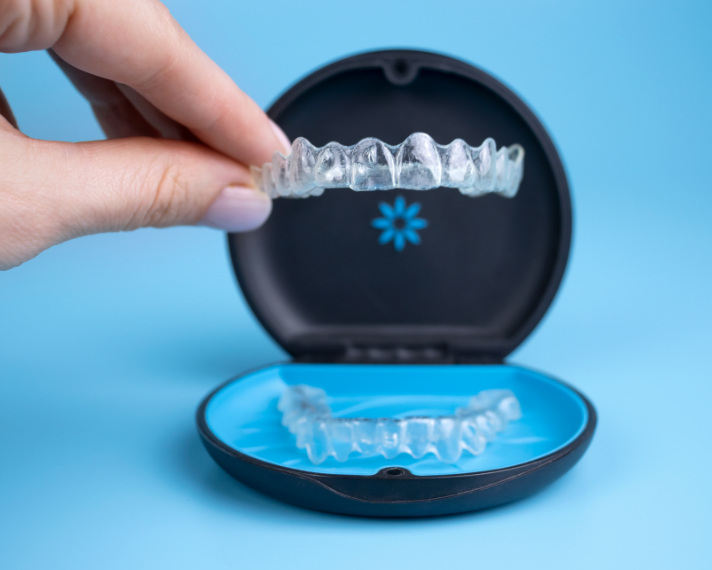
Invisalign has become one of the most sought-after orthodontic treatments thanks to its clear, removable aligners and comfortable, discreet design. For many patients, it’s an excellent alternative to traditional braces. However, like any dental treatment, Invisalign isn’t entirely risk-free. Understanding potential complications can help you make an informed decision and feel confident as you begin your smile-straightening journey.
Discomfort and Soreness Are Normal
Each new set of aligners applies pressure to gently move your teeth, which can lead to temporary soreness or tenderness. Most patients find this mild and short-lived, typically resolving within a few days. While discomfort isn’t considered a major complication, it can affect your ability to chew comfortably at first, so it’s helpful to be prepared for a brief adjustment period.
Attachments Can Cause Irritation
Some Invisalign users need small tooth-colored attachments to help guide movement. Because these add texture to the surface of your teeth, you might experience temporary irritation on your lips or tongue. While it’s not harmful, it can be bothersome until your mouth adjusts to their presence.
Speech Changes Can Occur Early On
Some patients notice a slight lisp when they first start wearing aligners. This happens because the trays take up a bit of space along the roof of the mouth and behind the teeth. The good news is that most people adjust within a few days as their tongue adapts to the new position.
Aligner Fit Problems or Tracking Issues
For Invisalign to work effectively, your teeth must move exactly as planned. If you don’t wear your aligners for the recommended 20–22 hours per day, or if your teeth move differently than expected, the trays may stop “tracking” properly. This can delay progress or require refinements. Your dentist monitors tracking at each check-in and can adjust your treatment to keep things on course.
Increased Risk of Cavities If Aligners Aren’t Cleaned Properly
Because aligners fit snugly over your teeth, wearing them without properly brushing and flossing can trap bacteria and increase the risk of decay or gum irritation. This is not an issue with Invisalign itself, but rather a consequence of poor hygiene habits during treatment. Keeping your aligners clean and maintaining consistent oral care helps prevent these problems.
Aligners Can Warp If Exposed to Heat
Clear aligners are made from specialized thermoplastic. If they’re exposed to hot water, hot beverages, or excessive sun or heat, they can warp and lose their shape. Once distorted, they may not fit correctly or may stop working effectively. Storing them properly and avoiding heat exposure prevents this issue.
The Benefits Still Outweigh the Risks
While these potential complications are worth understanding, the vast majority are mild, temporary, and completely manageable with proper guidance. Invisalign offers many advantages—smooth, comfortable trays, the freedom to remove aligners for meals, and a nearly invisible appearance that fits seamlessly into everyday life.
Before beginning treatment, your dentist will examine your bite, oral health, and alignment goals to ensure you’re an ideal candidate. This careful planning significantly reduces the likelihood of complications and helps you achieve the best possible results.
A straighter smile is absolutely within reach with the right care and preparation.
About the Practice
Legacy Dentistry provides comprehensive dental services designed to support healthy, confident smiles. Dr. Nguyen specializes in personalized Invisalign treatment plans, using advanced digital technology to ensure safe, predictable results. Our team focuses on patient comfort, clear communication, and tailored care to help every patient achieve their ideal smile.
Call us at (972) 723-1148 or request an appointment online.